
Posted on: November 6, 2025
Our hormone system (medically known as our endocrine system) is complex. Our endocrine system consists of 6 different organs (our pituitary gland, pineal gland, thyroid, pancreas, ovaries/testis, and adrenal glands) and each of these glands is responsible for producing certain hormones (i.e. the ovary producing estrogen and progesterone, the adrenal glands producing cortisol). What makes our hormones complex is not just the individual organs and the hormones they produce, but how these systems affect each other and result in certain hormonal conditions.
Common signs of Hormonal Imbalance include:
- Menstrual Irregularities, Heavy Periods, Cramps, PMS, Anxiety, Depression, Mood Swings, Hair Loss, Acne
- Conditions such as PCOS, Endometriosis, Fibroids, Infertility
Often these hormonal conditions will fail to resolve with specific treatments (i.e. the birth control pill), and those affected will feel hopeless in that they must "deal" with these conditions for the rest of their lives. One way to address hormonal balance is to look at the whole person, and see how certain hormone systems are affecting others, as our endocrine system is so interconnected. In this article we'll look at how our adrenal and thyroid glands play a major role in affecting our hormonal health.
Adrenal Fatigue as a cause of Hormonal Imbalance
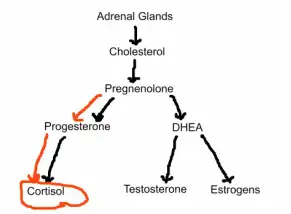
Our adrenal glands (a tiny, walnut-sized pair of glands that sit on top of our kidneys) are best known for their role for producing cortisol, the body's long-term stress hormone (vs. adrenaline which is the body's short-term stress hormone). Cortisol is also in charge of managing blood sugar. The adrenal glands can become over-stimulated from periods of long term stress (mental, physical, emotional) resulting in increased amounts of cortisol and a condition known as adrenal fatigue. The body's increased demand for cortisol during periods of long-term stress results in something called the Pregnenolone Steal. This pregnenolone steal is a contributing factor to many hormonal disorders.
Pregnenolone is a precursor hormone to both stress and sex hormones (see image above). In times of stress, the body diverts a lot of the pregnenolone towards stress hormone production (cortisol) and away from sex hormone (progesterone, estrogen, testosterone) production. Overtime, this can cause a deficiency in our sex hormones resulting in conditions such as PMS, PCOS, Infertility and more. Addressing this pregnenolone steal and adrenal fatigue with nutrition, lifestyle choices and supplements is such an important part of achieving hormonal balance.
How to test your adrenals: a salivary cortisol test. This will measure your cortisol output at 4 points throughout the day.
Tips for your adrenals: identify where your personal source of stress or imbalance comes from - is it a lack of or too much of exercise or sleep? increased mental or physical stress? dietary patterns? lack of "me" time? Identifying where you feel you need more balance in your life will be the key to treating your adrenal glands. Some general tips:
- Eating a balanced diet rich in whole foods (i.e. vegetable-focused, fruits, eggs, legumes, nuts, seeds, wild fish, grass-fed meats)
- Eating every 3-4 hours (fasting results in increased cortisol, so best to avoid if adrenally fatigued)
- Moderate exercise
- In bed before 11pm and sleeping 8 hours every night
- Phosphatidylserine, Licorice, Ginseng, B vitamins, Vitamin C are all wonderful natural therapies for improving adrenal health. Ask your ND which herb or supplement could be helpful for your unique case.
Low Thyroid Function
Low thyroid function (known as hypothyroidism) is a common endocrine disorder where the thyroid gland does not produce enough thyroid hormones. Thyroid hormones are in charge of managing metabolism and common symptoms of hypothyroidism include: constipation, fatigue, cold intolerance and weight gain. Low thyroid has been linked with decreased fertility, menstrual abnormalities and PCOS. Often periods will normalize once the thyroid gland has been treated.
How to test your thyroid: a simple blood test to check levels of TSH (thyroid stimulating hormone) and thyroid hormones T3 and T4
Tips for your thyroid: address your adrenal glands. High cortisol can inhibit production of thyroid hormones so addressing adrenal fatigue with the above tips is paramount for thyroid heath. Other things to do for thyroid health include:
- Eating regular, balanced meals as stated above
- Eating foods high in selenium (brazil nuts are highest, sunflower seeds) and iodine (sea vegetables such as kelp and dried seaweed, himalayan salt, cranberries)
- Avoiding foods that inhibit the thyroid (e.g. soy, corn, raw cruciferous vegetables - kale, cabbage, brussel sprouts, cooked is okay)
- Taking a high quality multivitamin/mineral supplement to make sure you are getting all the nutrients the thyroid needs to make thyroid hormones
- Tyrosine and Ashwaganda are well researched natural therapies that have shown to improve thyroid function (best to check with your ND which recommendation would be best for you).
Achieving hormonal health is a goal for so many of us, especially when we experience symptoms and conditions of hormonal imbalance. Taking a holistic approach and addressing the state of the adrenal and thyroid glands as part of our health plan can make a positive influence on our hormones, and wellbeing. Here's to happy hormones :)